
7 Longboarding Surf Spots for Every Skill Level
There’s something special about longboarding. Rather than rushing from one maneuver to the next, you have the opportunity to settle into a wave, find your rhythm, and experience the feeling of moving with the ocean.
The right surf spot can make all the difference. Beginners benefit from forgiving waves and sandy bottoms, while more experienced longboarders may be looking for long, peeling walls that offer room to trim, cross-step, and find the nose.
Whether you’re planning your first surf trip or searching for your next long, memorable ride, these seven longboarding surf spots offer different kinds of experiences. Each has its own personality, and each rewards a slightly different approach to reading the ocean.
And while a great wave can be the highlight of a trip, surfing can also be an invitation to slow down, become more aware of your body, and reconnect with the world beyond your daily routine.
1. Waikiki, Oahu, Hawaii — A Classic Starting Point

Waikiki, Oahu, with Diamond Head in the distance. Photo: Daniel Lee via Unsplash
Best for: Beginners through intermediate longboarders, depending on conditions and the break.
Waikiki is one of the world’s best-known longboarding destinations for good reason. Its gentle, rolling waves and deep surfing history have made it a place where generations of surfers have learned to ride.
On suitable days, the waves can offer plenty of time to practice paddling, catching waves, finding your balance, and learning how to trim along the face. More experienced surfers can also enjoy the art of riding a longboard on a slower, more open wave.
Waikiki is not automatically easy in every condition. Crowds, currents, changing swell, and the presence of reefs mean that beginners should choose their break carefully and consider working with a qualified local instructor.
Why longboarders love it: Waikiki offers a chance to focus on the fundamentals and appreciate the history and culture of surfing.
Planning tip: Research the specific break before paddling out, respect the lineup, and choose conditions appropriate to your ability.
2. San Onofre, California — Relaxed California Longboarding
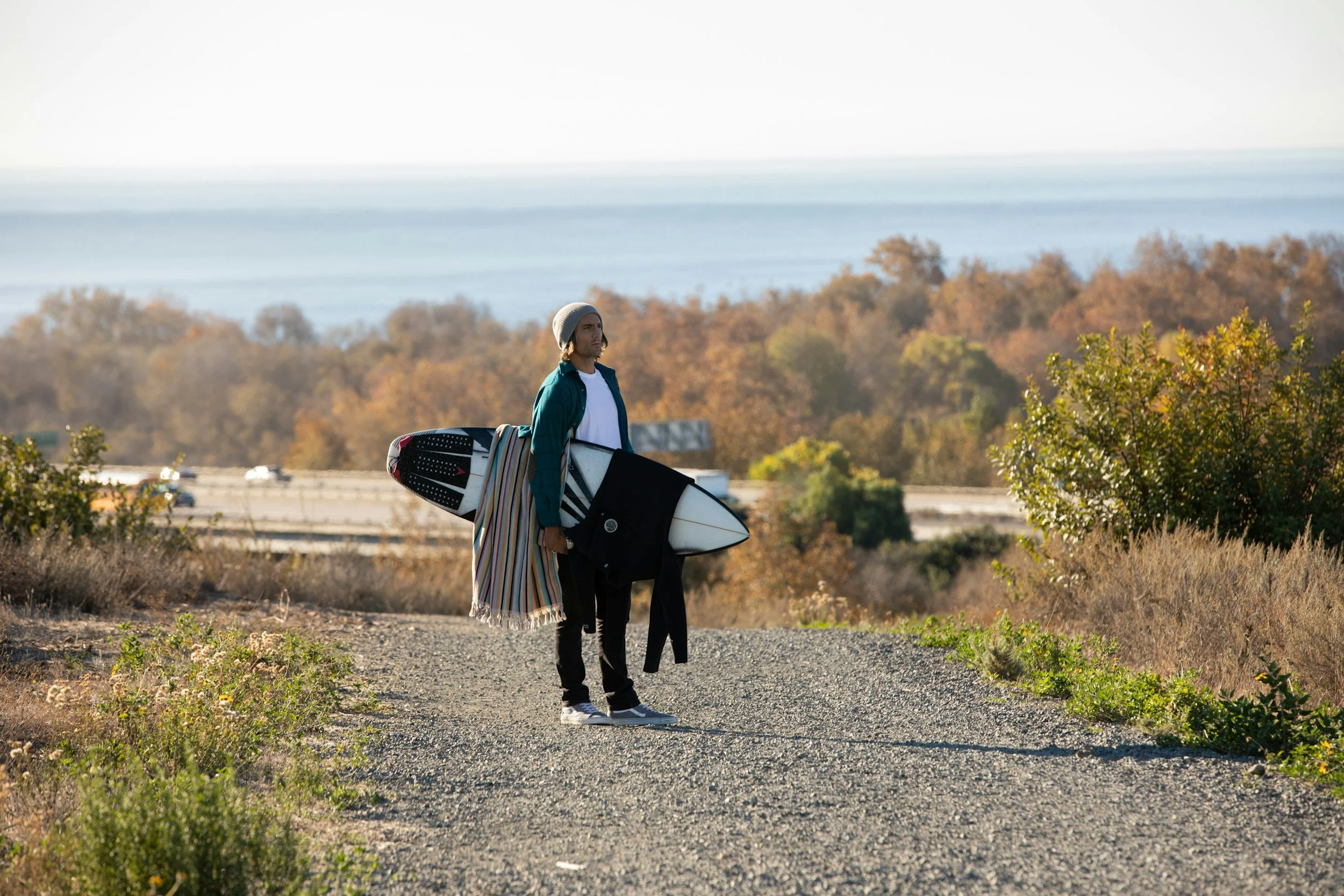
Heading to the water near San Onofre, California. Photo: Evan Dorian via Unsplash
Best for: Beginners to experienced longboarders, depending on the particular break and conditions.
Southern California has a deep longboarding culture, and San Onofre is closely associated with the slower, more traditional side of the sport. When the swell and tide line up, the waves can provide the kind of rolling sections that reward patience, positioning, and smooth turns.
This is a destination for surfers who want to work on their fundamentals rather than chase the steepest or most powerful wave. A good session can be as much about reading the ocean and finding the right takeoff spot as it is about the ride itself.
Conditions vary across the breaks, and not every wave is suitable for a first-time surfer. Check local guidance, access rules, tides, and current conditions before visiting.
Why longboarders love it: The opportunity to settle into a wave and develop a more fluid style.
Planning tip: Arrive early, research access requirements, and be mindful of other surfers. A popular lineup is a shared space, not a personal playground.
3. Sayulita, Mexico — A Surf Town With Room to Learn
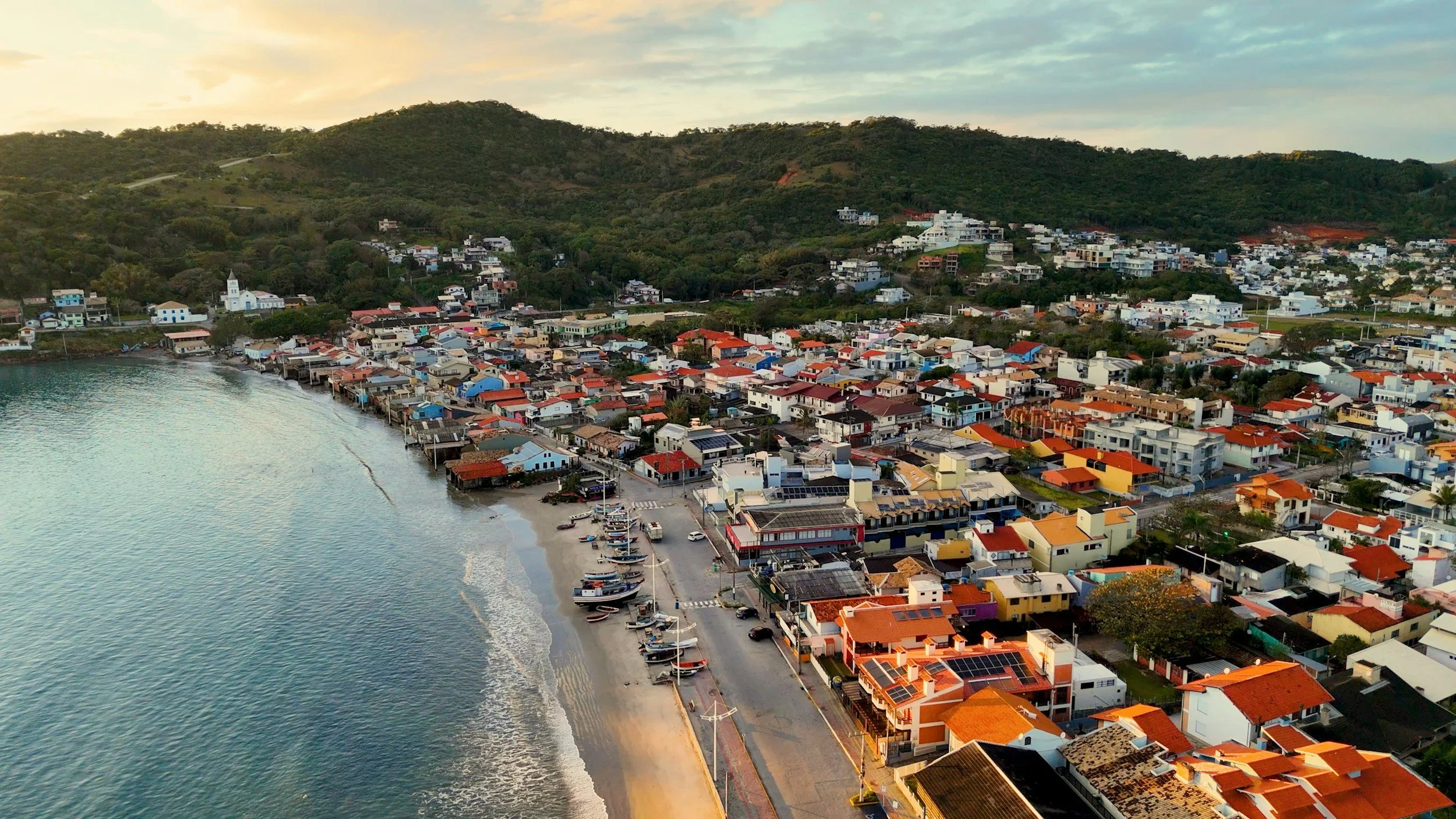
Sayulita, on Mexico’s Pacific coast. Photo: Cipriano Bala via Unsplash
Best for: Beginners and intermediate surfers, when conditions are suitable.
Sayulita combines a lively surf-town atmosphere with access to lessons, board rentals, and a variety of nearby waves. The main beach can offer learning opportunities in appropriate conditions, while experienced surfers may explore other breaks in the region with knowledgeable local guidance.
It is also a destination where the surf experience extends beyond the water. Cafes, colorful streets, local food, and a welcoming travel atmosphere make it easy to build a trip around more than just the next session.
The main beach can get crowded, and the wave character changes with swell and tide. Beginners should seek instruction and avoid paddling into conditions beyond their ability.
Why longboarders love it: It combines the social side of surf travel with opportunities to develop confidence and technique.
Planning tip: Look for locally run surf schools, ask about current water quality and conditions, and consider quieter nearby breaks only with appropriate guidance.
4. La Saladita, Guerrero, Mexico — Long Lefts and an Unhurried Pace
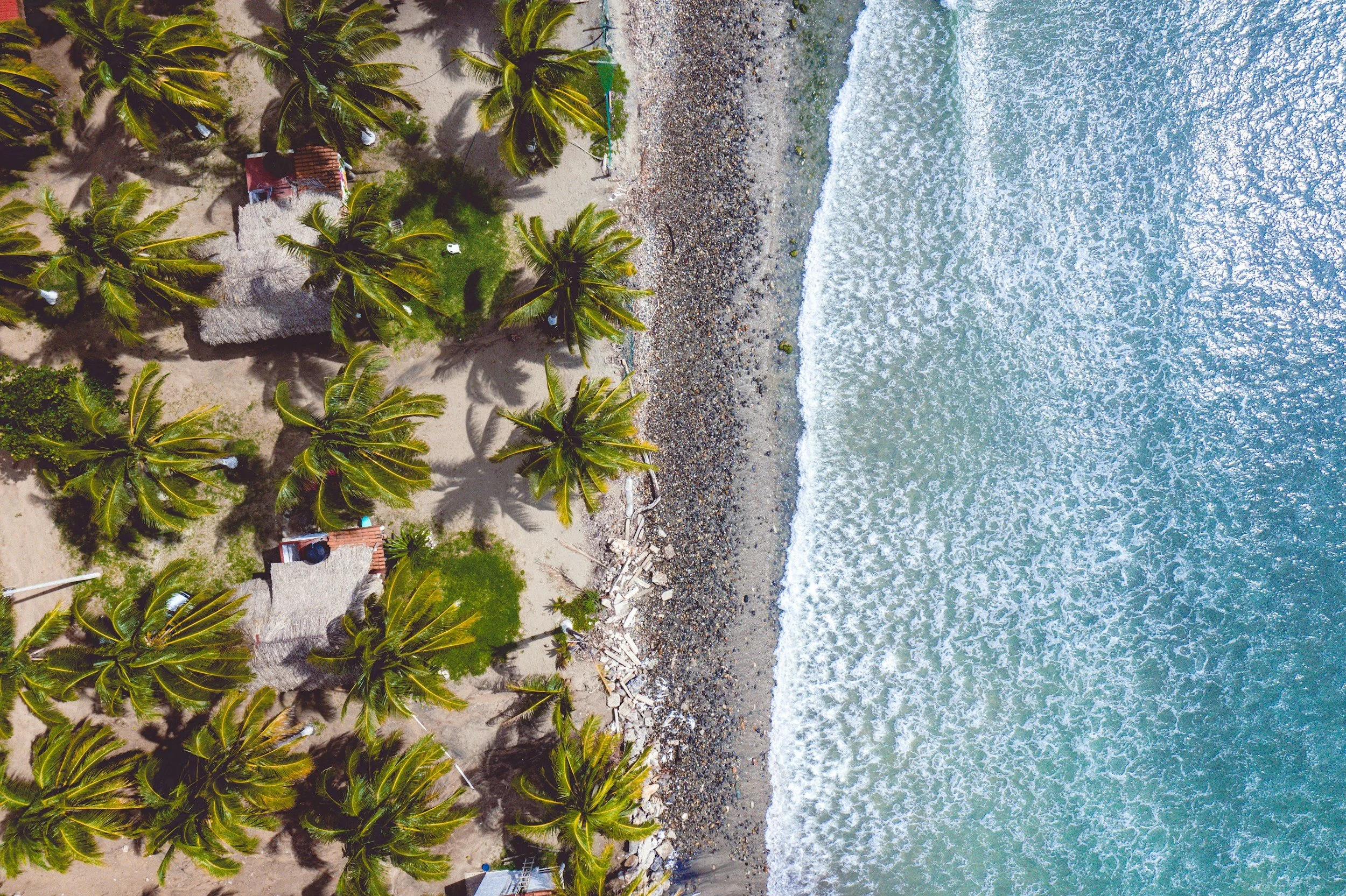
The palm-lined shore at La Saladita, Guerrero. Photo: Anna Pielucha via Unsplash
Best for: Confident beginners with appropriate instruction, intermediate surfers, and experienced longboarders when conditions are suitable.
La Saladita is a destination worth knowing if you love the feeling of a wave that keeps opening up in front of you. Located on Mexico’s Pacific coast in Guerrero, this point break is known for long left-hand waves that can provide extended rides when the swell, tide, and conditions align.
For longboarders, the appeal is easy to understand: a good wave may offer room to establish trim, move along the board, and enjoy the ride rather than immediately preparing for the next section.
La Saladita is sometimes described as a mellow wave, but that should not be confused with a guarantee of safety or beginner suitability. Wave size, currents, crowding, and the shape of the break can change. Surf with qualified local guidance when needed and choose conditions that match your experience.
The destination also lends itself to a slower kind of surf trip. Time in the water can sit alongside time to rest, eat well, reflect, and enjoy the natural environment.
At Live Wise Wellness, our Mexico Somatic Surf Retreat explores the connection between surfing, mindfulness, nature, and the mind-body relationship. The idea is not just to catch more waves, but to notice what happens when you become more present in the experience.
Through surfing and somatic practices, participants have opportunities to explore how they respond to challenge, uncertainty, movement, and moments of stillness. Retreat activities may include surf sessions, yoga, breathwork, journaling, and guided opportunities for reflection. Check the retreat page for the current program and details.
Why longboarders love it: The possibility of long, flowing rides and an environment that encourages a more spacious approach to surf travel.
Planning tip: Research local conditions and access before traveling. Respect local surfers, support local businesses, and never assume a point break is safe simply because it is known for long rides.
If you’re interested in a trip that brings together surfing and intentional personal growth, explore the retreat experience.
5. Rincon, Puerto Rico — A Point-Break Destination for Progression
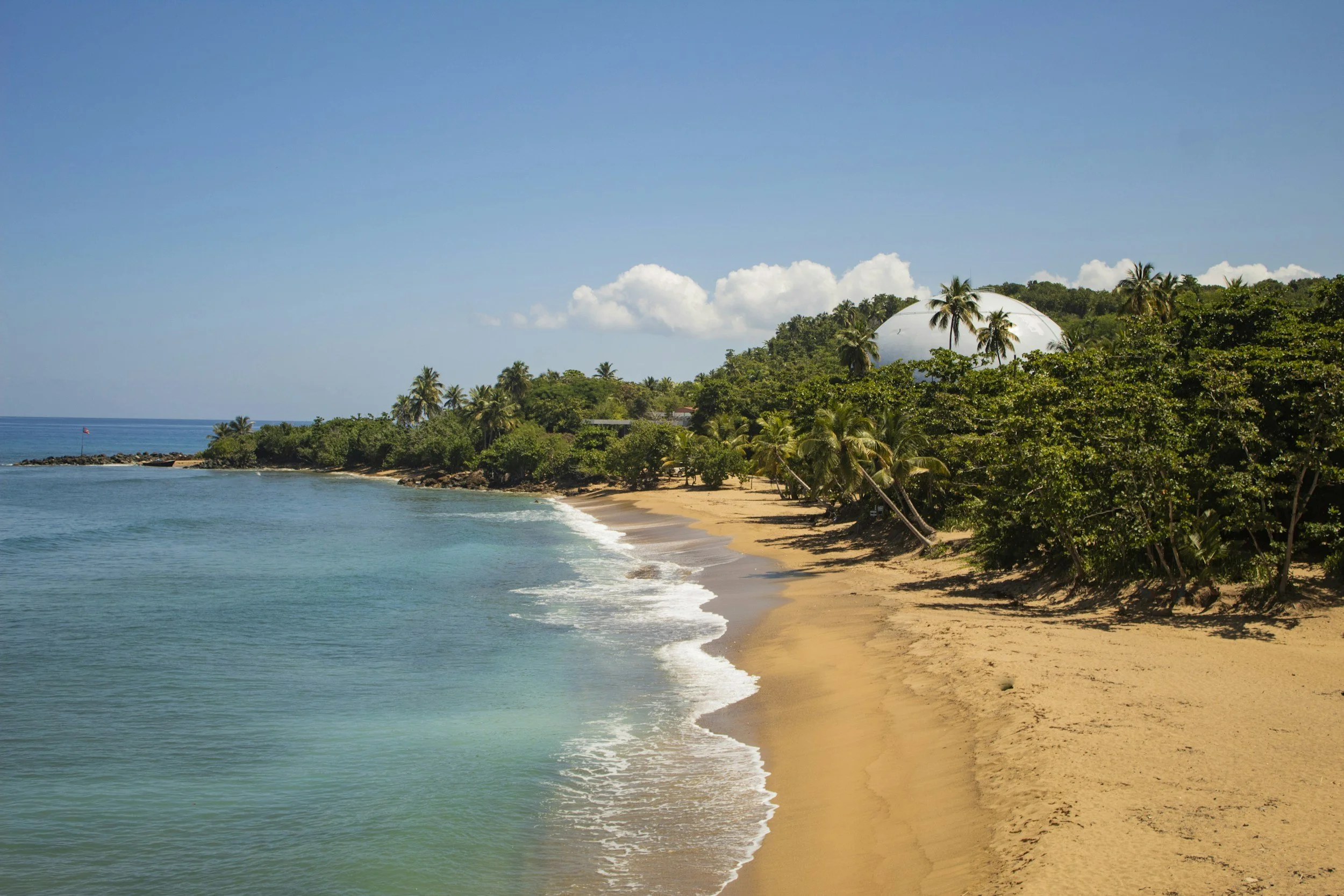
The coastline near Domes Beach in Rincón, Puerto Rico. Photo: Jonathan Medina via Unsplash
Best for: Intermediate and advanced surfers, depending on the break and conditions.
Puerto Rico’s western coast is well known in the surf world, and Rincon is one of its best-known destinations. During the right swell, its collection of breaks can produce powerful, organized waves that reward good positioning and wave knowledge.
Longboarders may find excellent rides when conditions are appropriate, but Rincon is not uniformly beginner-friendly. Some breaks can become powerful and crowded, particularly during larger winter swells.
Surfers should choose the break based on their actual ability, seek local advice, and stay realistic about their limits.
Why longboarders love it: The chance to experience quality waves in an established surf community with a range of breaks nearby.
Planning tip: Research each break individually. Do not assume that a destination suitable for one skill level will be suitable at every tide or swell.
6. Pavones, Costa Rica — A Famous Long Left
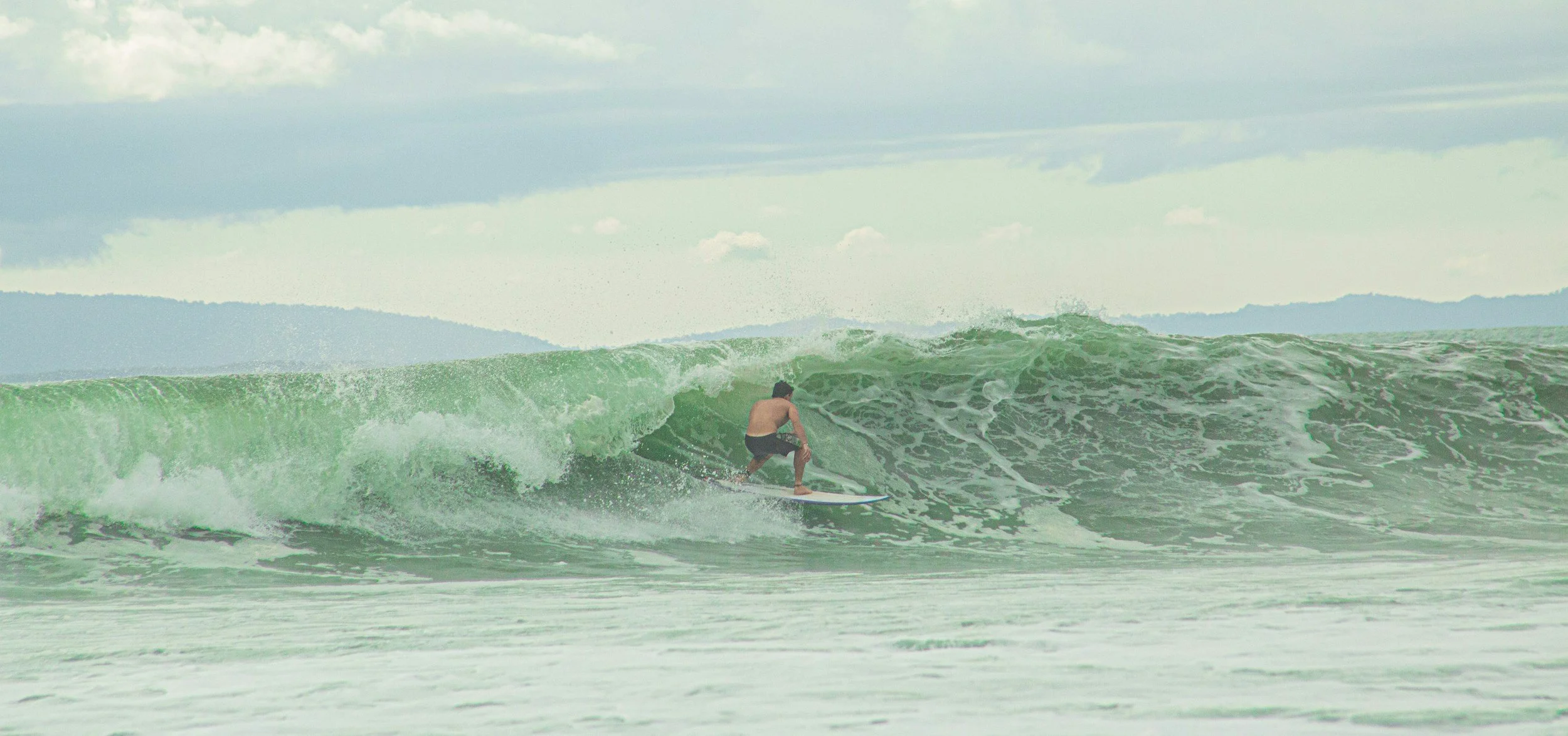
A long left at Pavones, Costa Rica. Photo: Luis Desiro via Unsplash
Best for: Intermediate and advanced surfers, with suitability dependent on conditions.
Pavones is famous for a long left-hand point break that can produce exceptionally long rides when the swell and conditions align. It is an appealing destination for surfers who want to work on linking turns, maintaining speed, and reading a wave over an extended distance.
Long waves can be demanding in their own way. Positioning, paddling endurance, lineup awareness, and the ability to handle the prevailing conditions all matter. The fact that a wave is long does not mean it is easy.
Pavones can also be a reminder that surf travel rewards patience. The best sessions depend on swell, tide, weather, and local knowledge rather than simply arriving with a board.
Why longboarders love it: The potential for extended rides and the opportunity to focus on flow, timing, and wave selection.
Planning tip: Plan around the conditions rather than a guaranteed surf forecast, and respect the local lineup.
7. Chicama, Peru — A Long-Wave Adventure

Live Wise founder Trey Bell on a wave. Long rides reward patience and positioning, wherever you surf. Photo: Live Wise Wellness
Best for: Intermediate and advanced surfers, depending on conditions and experience.
Peru’s Chicama is renowned for its long left-hand waves and has become a bucket-list destination for surfers drawn to point breaks. When the swell and conditions align, the wave can offer long rides that reward energy management, positioning, and a steady approach.
This is a destination for planning rather than improvisation. The length of a ride, the conditions on a particular day, and the demands of getting back into position all matter. Long sessions can be physically tiring, even when the wave looks inviting from shore.
Why longboarders love it: Its reputation for long, organized lefts makes it an exciting option for surfers who have the experience to handle the conditions.
Planning tip: Research seasonal swell patterns, local surf guidance, and the physical demands of the break before committing to a trip.
How to Choose the Right Longboarding Destination
The best surf destination is not necessarily the one with the most famous wave. It is the one that offers conditions suited to your current ability, goals, and comfort level.
If you’re learning, look for sandy-bottom beach breaks, reputable instructors, and waves that are manageable for your experience. If you’re progressing, seek a destination with suitable conditions and room to practice. If you’re experienced, research the particular break, swell direction, tide, currents, and local etiquette.
A few questions can help you narrow the choice:
Am I comfortable paddling out and returning to shore in the expected conditions?
Is the break appropriate for my experience level?
Do I understand the local hazards, currents, and lineup etiquette?
Will I have access to instruction or local guidance if I need it?
Am I planning a trip that leaves room for rest and recovery?
Always check current conditions and local advice. Surf spots can change dramatically with swell, tide, weather, and season.
Surfing as a Practice in Presence
Surfing asks you to pay attention. You watch the horizon, feel the water moving around you, adjust your position, and respond to something that is constantly changing.
That attention can become a way to reconnect with yourself. You may notice tension before a wave, frustration after a missed takeoff, or a moment of calm when everything comes together. None of those experiences needs to be judged immediately. They can simply become information worth noticing.
At Live Wise Wellness, our somatic surf approach brings together surfing and opportunities to explore the mind-body connection. The goal is to make room for awareness, movement, reflection, and practical tools that can carry into everyday life.
If this approach resonates with you, learn about our somatic surf experience in Mexico. Check the current retreat details to learn about the program, facilitators, and availability.
Frequently Asked Questions
Is longboarding good for beginner surfers?
It can be. Longboards offer additional flotation and can make catching suitable small waves easier. However, board size also creates handling challenges, and beginners still need appropriate conditions, instruction, and awareness of other surfers.
What makes a surf spot good for longboarding?
Longboarders often appreciate waves that provide a relatively open face, a manageable takeoff, and enough length to establish trim. The ideal wave depends on the surfer’s skill, the board, and the day’s conditions.
Is La Saladita suitable for beginners?
La Saladita is known for long left-hand waves, but suitability depends on swell, tide, crowding, and individual experience. Beginners should seek local instruction and avoid assuming that a well-known point break is automatically safe.
Can surfing support mindfulness?
Surfing can create opportunities to practice attention, patience, and awareness of bodily sensations. People experience this differently, and surfing is not a substitute for mental health treatment.
What is a somatic surf retreat?
A somatic surf retreat combines surfing with practices that invite greater awareness of bodily sensations, movement, and emotional responses. Live Wise Wellness offers a Mexico Somatic Surf Retreat; visit the official retreat page for current program details.
Find Your Next Wave
A great surf trip can be about more than collecting destinations. It can be an opportunity to learn, reconnect, meet new people, and make space for experiences that are difficult to fit into everyday life.
Whether you’re refining your longboard technique or exploring a more mindful relationship with the ocean, start with the conditions, community, and experience that are right for you.
Explore the Live Wise retreats and discover how surfing, nature, and somatic practices can come together in a more intentional travel experience.
Written by Trey Bell · Live Wise Wellness
